Stay Powered: Why Electric Generators Are Changing the Way We Power Our Homes
Power outages are becoming more common, and homeowners are looking for smarter, cleaner ways to stay prepared. In this article, I explore how electric generators and battery backup systems are transforming home energy — and why they may be a better option than traditional gas generators.
Carter Dee
2/12/20262 min read
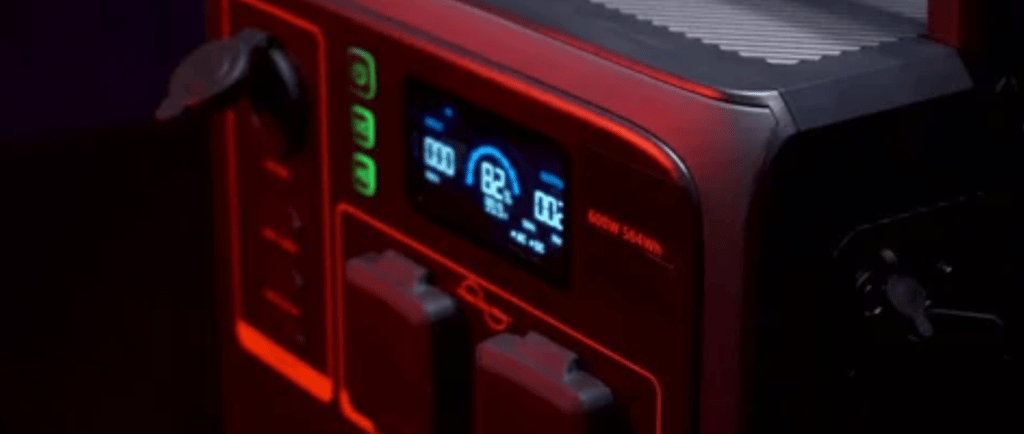
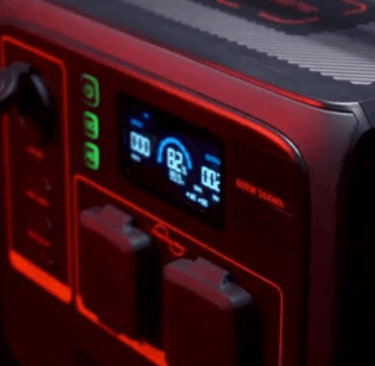
Have you ever been sitting at home during a storm when suddenly everything goes dark? No lights. No Wi-Fi. No refrigerator. Power outages are more than just inconvenient — they can disrupt work, food storage, security systems, and even medical devices. As weather events become more extreme and energy demand increases, having a reliable backup power source is becoming less of a luxury and more of a necessity.
For years, gas-powered generators were the go-to solution. They’re powerful and effective, but they come with drawbacks: noise, fumes, fuel storage, and regular maintenance. Recently, however, electric generators — particularly battery-based systems — have emerged as a cleaner, quieter alternative for households.
Electric generators for homes typically fall into two categories: traditional standby generators that run on natural gas or propane, and battery-powered backup systems that store electricity for use during outages. The newer battery systems don’t burn fuel. Instead, they store energy from the grid or from solar panels and automatically supply power when the grid goes down.
One of the biggest advantages of electric battery generators is that they are silent compared to gas models. There’s no engine roaring outside your house. There are also no exhaust fumes, which makes them safer for indoor or garage-adjacent installation when properly designed for that purpose. They also require significantly less maintenance because there are fewer moving parts. No oil changes. No fuel stabilizers. No carburetor issues.
Companies like Tesla (Powerwall), EcoFlow, Anker SOLIX, and Bluetti are leading the charge in battery backup systems. These systems can power essential circuits such as refrigerators, lights, Wi-Fi routers, and even HVAC systems depending on the size of the installation. On the traditional side, companies like Generac and Kohler continue to dominate the standby generator market, offering automatic systems that run on natural gas or propane and can power an entire home.
Another major benefit of electric battery generators is their compatibility with renewable energy. If you install solar panels, your battery system can recharge using sunlight, reducing dependence on the grid and lowering electricity bills over time. In contrast, gas generators rely entirely on fuel availability. During large-scale emergencies, fuel shortages can become a serious issue.
Cost is an important factor to consider. Gas generators often have a lower upfront price, but ongoing fuel and maintenance costs add up. Battery systems may have a higher initial investment, especially when paired with solar panels, but they can provide long-term savings and environmental benefits. They also increase home energy independence.
For campers and RV owners, portable electric generators (often called power stations) have also grown in popularity. They are lightweight, rechargeable, and far quieter than traditional portable gas generators, making them ideal for outdoor recreation.
Ultimately, choosing between gas and electric comes down to your specific needs: How much power do you require? How often do outages occur in your area? Are you looking for whole-home coverage or just essential backup? Do you want something more environmentally friendly?
From my perspective, electric generators represent the future of residential backup power. They are cleaner, quieter, and more adaptable to modern energy systems. As battery technology improves and costs continue to decrease, I believe more homeowners will move toward electric solutions for both security and sustainability.
When the lights go out, preparation makes all the difference. Investing in the right generator — especially an electric one — could mean the difference between inconvenience and comfort.
— Carter Dee
Sources for Further Research
U.S. Department of Energy – Home Backup Power & Energy Storage Information
https://www.energy.govGenerac – Home Standby Generators Overview
https://www.generac.comTesla Powerwall – Home Battery System
https://www.tesla.com/powerwallEcoFlow Whole-Home Backup Systems
https://www.ecoflow.comAnker SOLIX Energy Storage Solutions
https://www.ankersolix.comConsumer Reports – Generator Buying Guide
https://www.consumerreports.org
Contact
Questions? Reach out anytime, we’re here to help.
Phone
electric generators.co@gmail.com
© 2025. All rights reserved.